Move Back
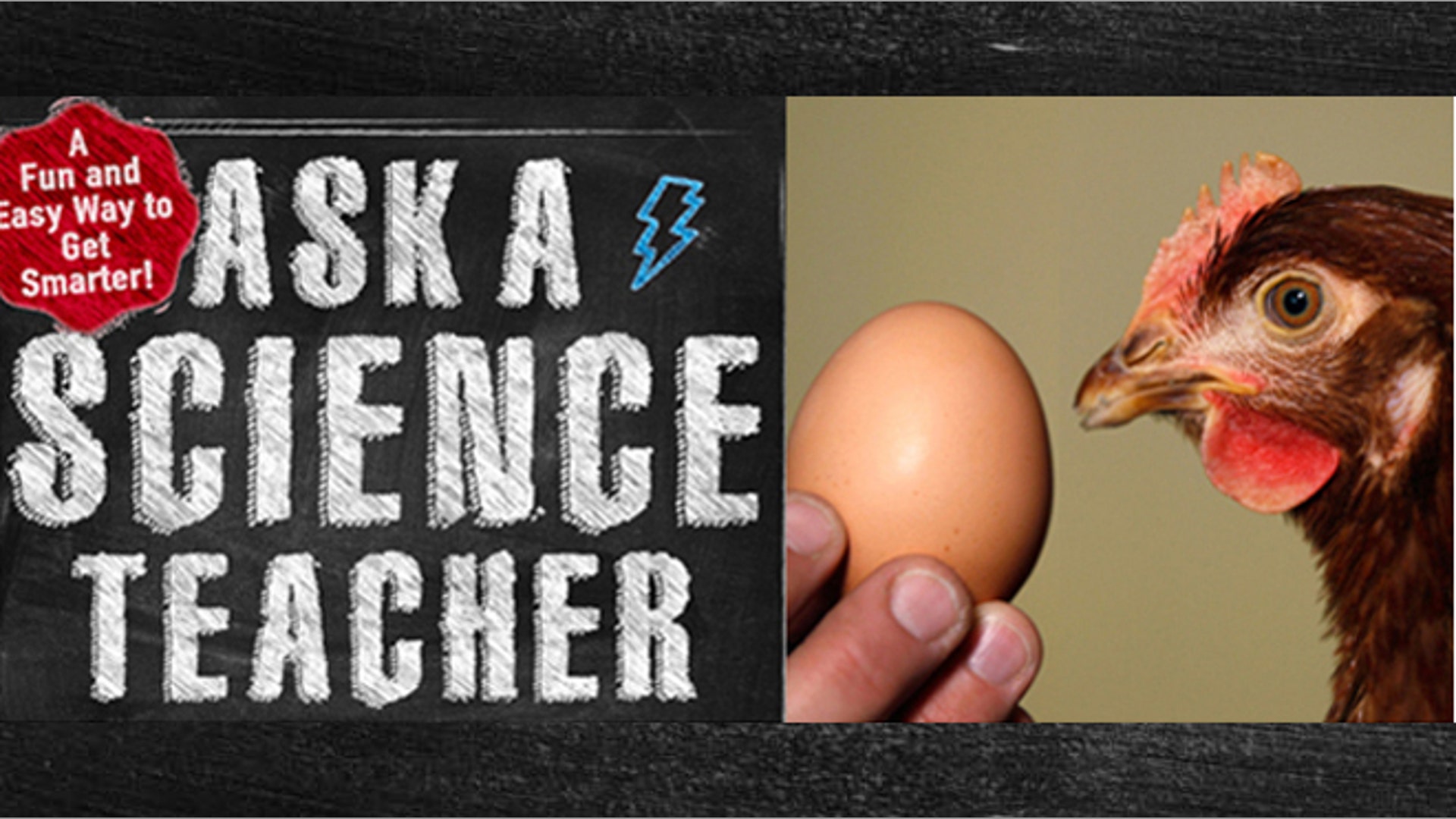
![Which came first, the chicken or the egg?]() Every generation has argued this question. It is an ancient dilemma going back to the times of Aristotle (384–322 bc) and Plutarch (about 46–120 ad). Aristotle took the easy way out, concluding that both the chicken and the egg must have always existed. Aristotle, like Plato, believed that everything on Earth first had its being in spirit. .
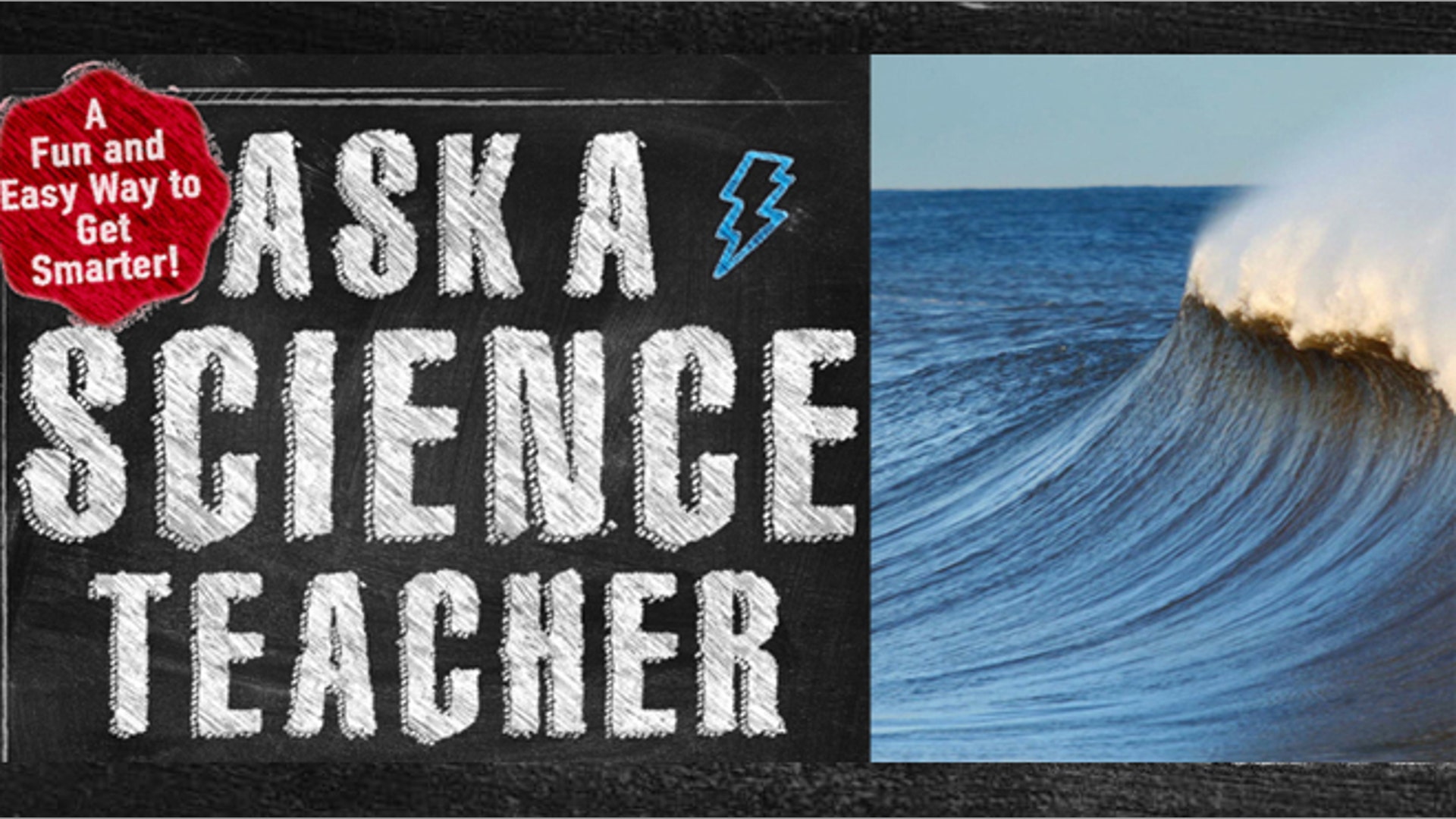
Every generation has argued this question. It is an ancient dilemma going back to the times of Aristotle (384–322 bc) and Plutarch (about 46–120 ad). Aristotle took the easy way out, concluding that both the chicken and the egg must have always existed. Aristotle, like Plato, believed that everything on Earth first had its being in spirit. .![Why are the oceans salty?]() The father of modern chemistry, Antoine Lavoisier, gave us the first definitive answer some two hundred years ago. He stated that oceans are the “rinsings of the Earth.� He meant that salts are washed from the land into the ocean. .
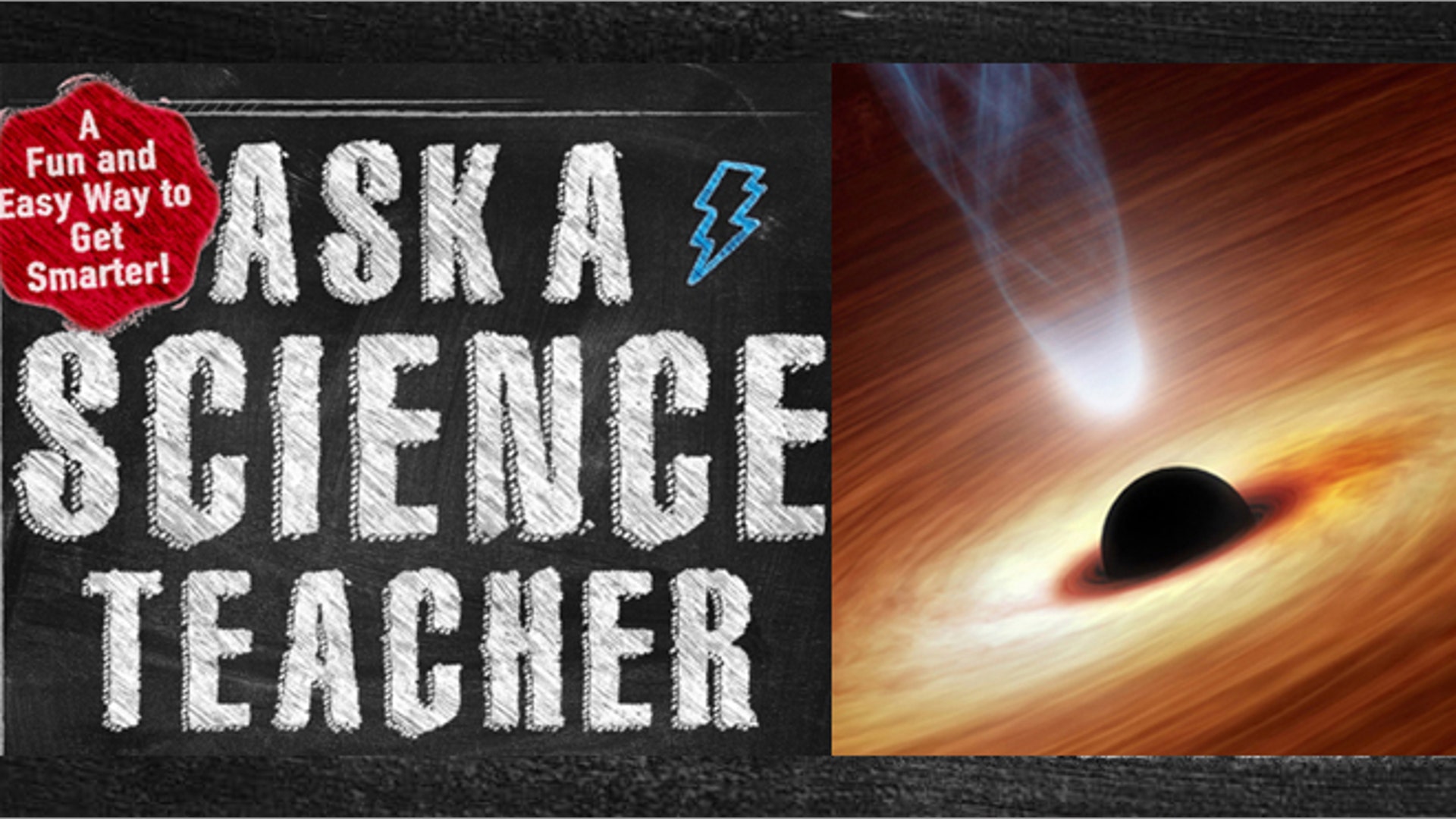
The father of modern chemistry, Antoine Lavoisier, gave us the first definitive answer some two hundred years ago. He stated that oceans are the “rinsings of the Earth.� He meant that salts are washed from the land into the ocean. .![What is a black hole?]() A black hole is a place in Washington, DC, where all our tax dollars go. Just kidding! A black hole is perhaps the strangest object in the universe. It is the remains of a massive dead star that has run out of fuel and collapsed. .
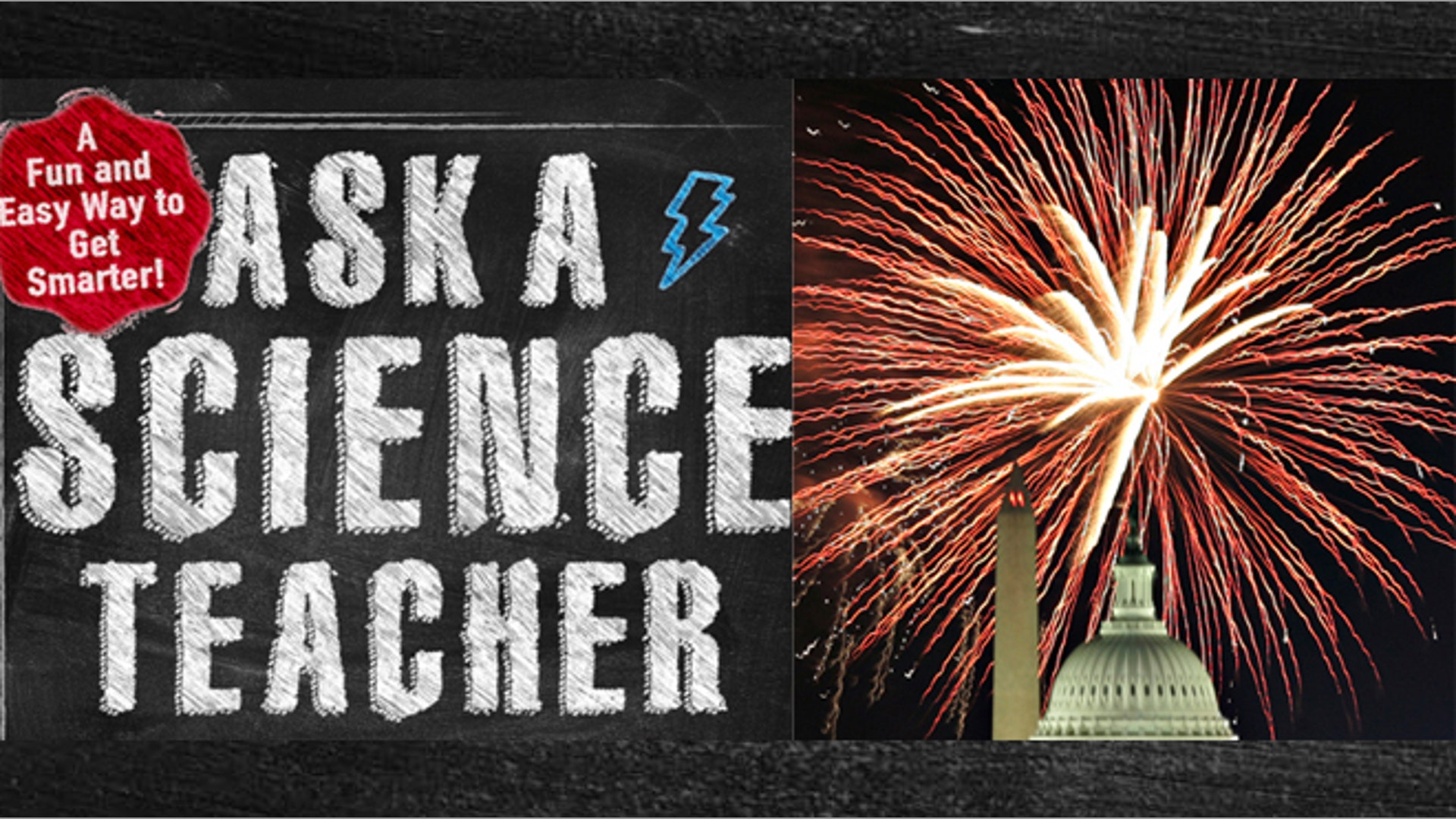
A black hole is a place in Washington, DC, where all our tax dollars go. Just kidding! A black hole is perhaps the strangest object in the universe. It is the remains of a massive dead star that has run out of fuel and collapsed. .![What makes the colors in fireworks?]() There is much chemistry and physics in fireworks; the color of fireworks, for one thing, is all in the chemicals. Your basic fireworks have been around for hundreds of years. The kind we see on the Fourth of July or New Year’s Eve are shot from a mortar-like steel tube. The shell’s fuse burns while it rises to the proper altitude, and a time-delay fuse ignites the bursting charge, which consists of black powder (charcoal, sulfur, and potassium nitrate). .
There is much chemistry and physics in fireworks; the color of fireworks, for one thing, is all in the chemicals. Your basic fireworks have been around for hundreds of years. The kind we see on the Fourth of July or New Year’s Eve are shot from a mortar-like steel tube. The shell’s fuse burns while it rises to the proper altitude, and a time-delay fuse ignites the bursting charge, which consists of black powder (charcoal, sulfur, and potassium nitrate). .![What creates the wind?]() Wind is caused by a difference in pressure from one area to another area on the surface of the Earth. Air naturally moves from high to low pressure, and when it does so, it is called wind. .
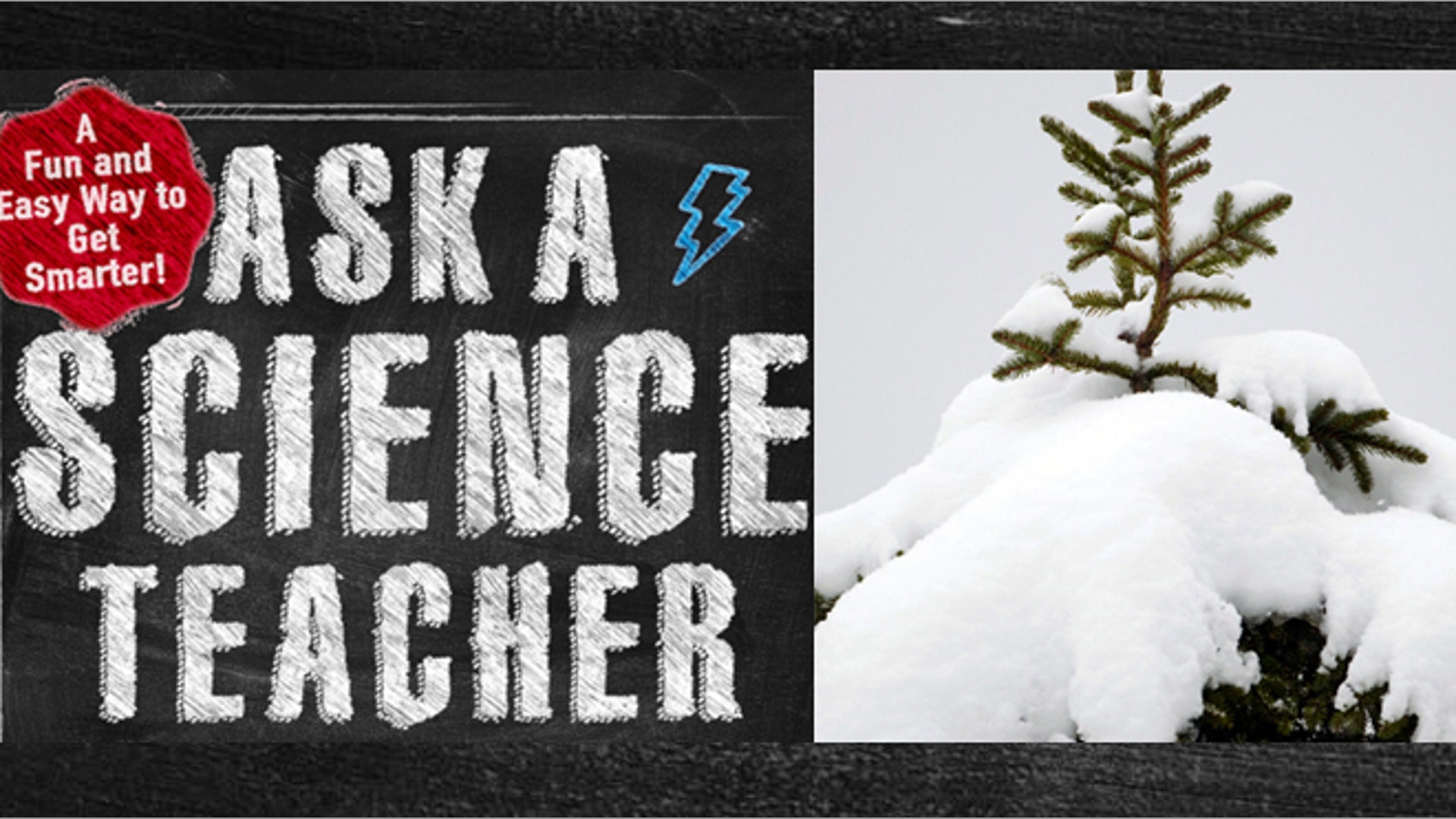
Wind is caused by a difference in pressure from one area to another area on the surface of the Earth. Air naturally moves from high to low pressure, and when it does so, it is called wind. .![Why is snow white, and where does its color go when the snow melts?]() Snow is a bunch of ice crystals stuck together. It's a very complex arrangement. To understand why snow is white, we must be familiar with what happens to light when it strikes any material. The color of anything, including snow, depends on how light interacts with it. .
Snow is a bunch of ice crystals stuck together. It's a very complex arrangement. To understand why snow is white, we must be familiar with what happens to light when it strikes any material. The color of anything, including snow, depends on how light interacts with it. .![What makes ice float?]() The simple answer is that ice is less dense than water. The question then becomes: Why is ice, which is water in solid form, lighter than water in its liquid form? Something must be happening to water when it freezes. .
The simple answer is that ice is less dense than water. The question then becomes: Why is ice, which is water in solid form, lighter than water in its liquid form? Something must be happening to water when it freezes. .Ask a science teacher
You asked, we got a science teacher to answer. From the book, "Ask a Science Teacher: 250 Answers to Questions You’ve Always Had About How Everyday Stuff Really Works"; Copyright © Larry Scheckel, 2013. Available December 17 wherever books are sold.

Move Forward
- Ask a science teacher


