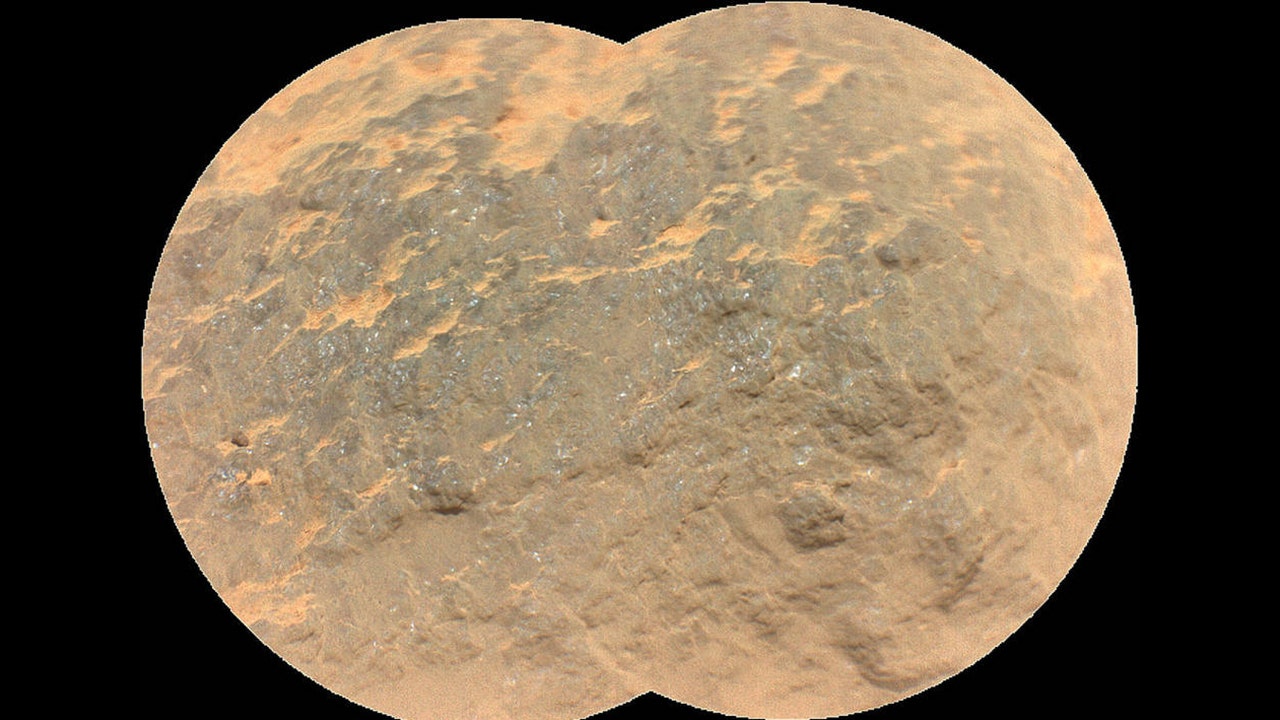
Science 13 hours ago Perseverance Mars rover's SuperCam delivers first readings, identifies rock targets NASA's Perseverance Mars rover's SuperCam instrument has sent back its first readings, including images of its first rock targets.
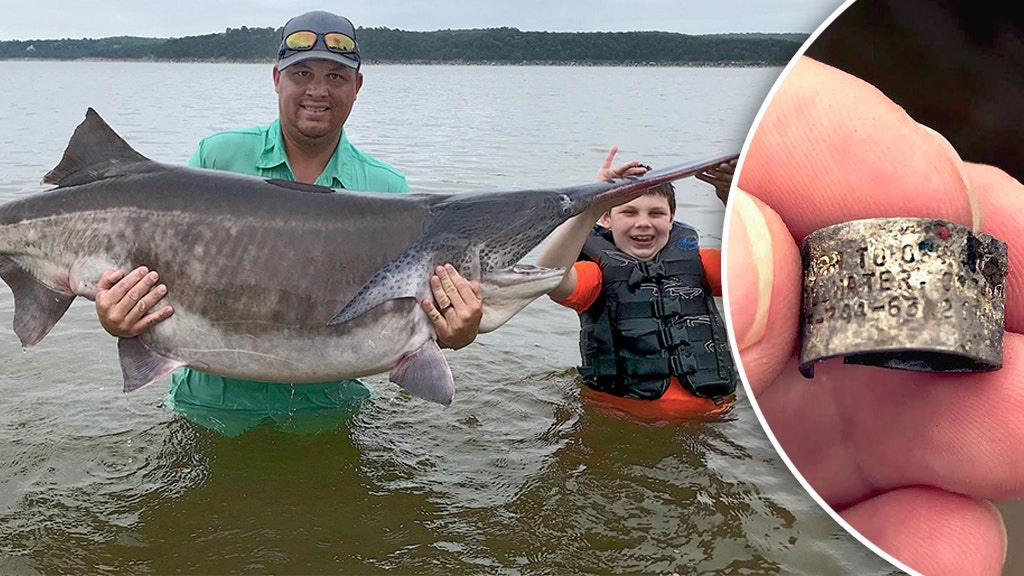
Lifestyle 13 hours ago Oklahoma dad's paddlefish catch breaks record -- fish was tagged in 1997 Oklahoma fisherman Cory Watters and his 9-year-old son Stetson reeled in a world-record 151.9-pound paddlefish Thursday morning on Keystone Lake, according to the state’s Department of Wildlife Conservation.
Opinion 13 hours ago Newt Gingrich: Can aging be reversed? Incredible new research may let us grow younger instead of older What if everything we’ve been taught to believe about the aging process is wrong?
Science 13 hours ago Iguana nightmare: Massive iguana population turns Florida into 'Jurassic Park' Hundreds of thousands of unwanted visitors are invading Florida homes and public areas. These green iguanas are enjoying the Florida sun. Now residents are comparing their takeover to Jurassic Park. While green iguanas are not native to Florida, scientists say were first sold and shipped as pets from Central and South America.
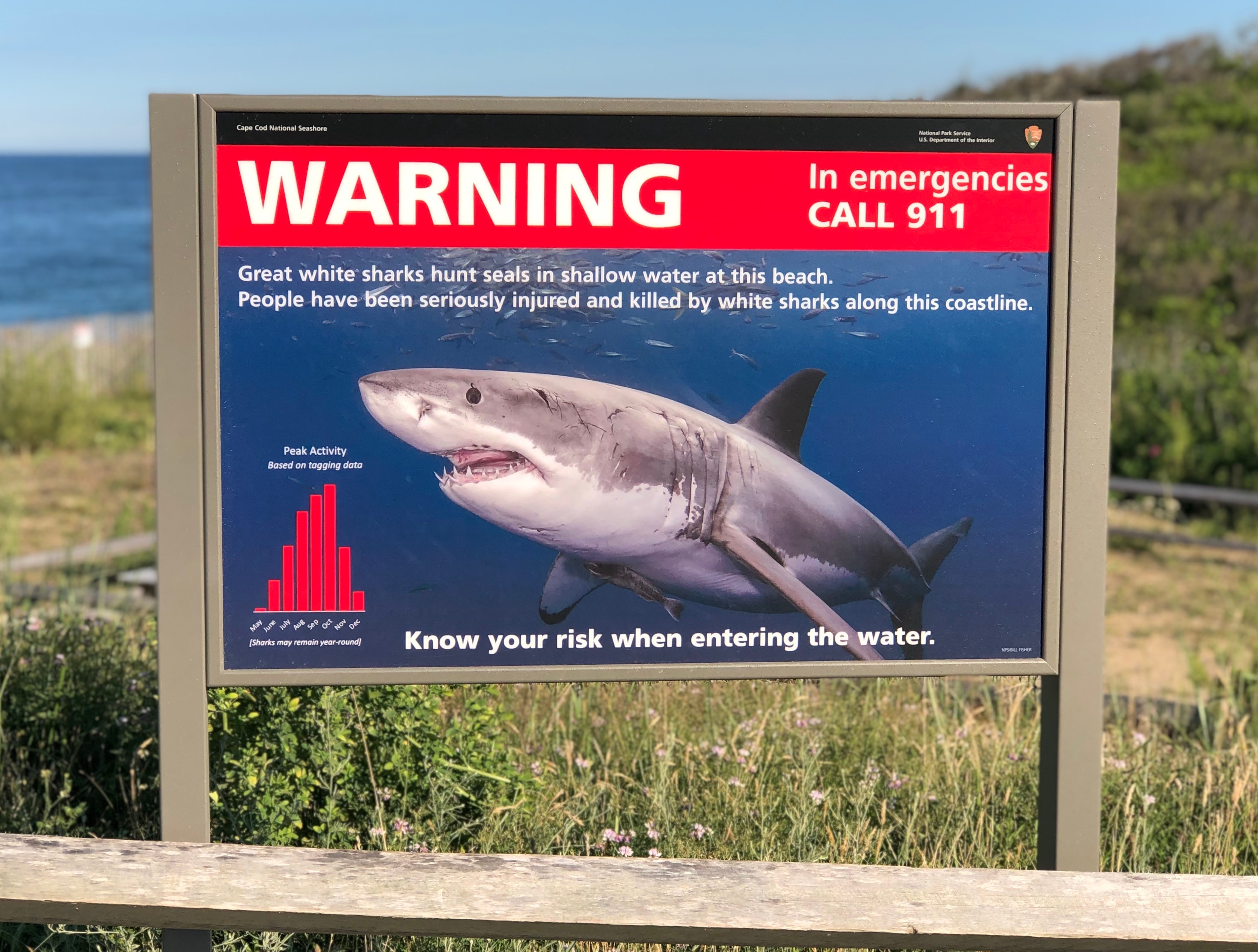
Science 13 hours ago Spike in shark sightings off Cape Cod alarms swimmers, keeps them close to shore Over 30 great white shark sightings were reported along the Cape in the past week alone.
Science 13 hours ago ‘Weird’ worm-like object found on North Carolina shore has experts puzzled A North Carolina National Park service is having trouble identifying a mysterious, spiny object that washed up on a beach over the weekend and has asked for the public’s help.
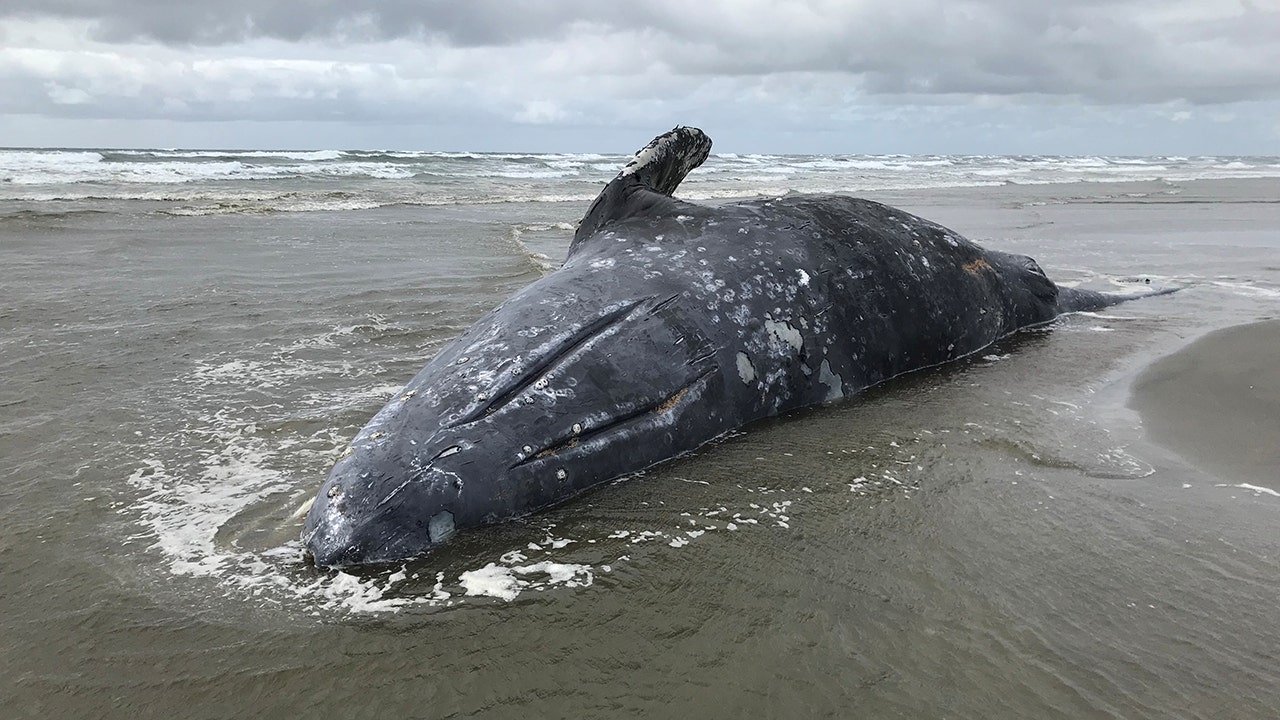
Science 13 hours ago Deaths of 75 gray whales stump biologists Biologists from the U.S. government launched a special investigation into the deaths of over 70 gray whales that have washed ashore the west coast over the past few months looking abnormally thin and weak.
Science 13 hours ago DNA deep dive: Scientists devise new forensic dye to catch criminals Scientists at Flinders University in Australia have developed a DNA analysis technique that could provide a valuable weapon in the fight against crime.
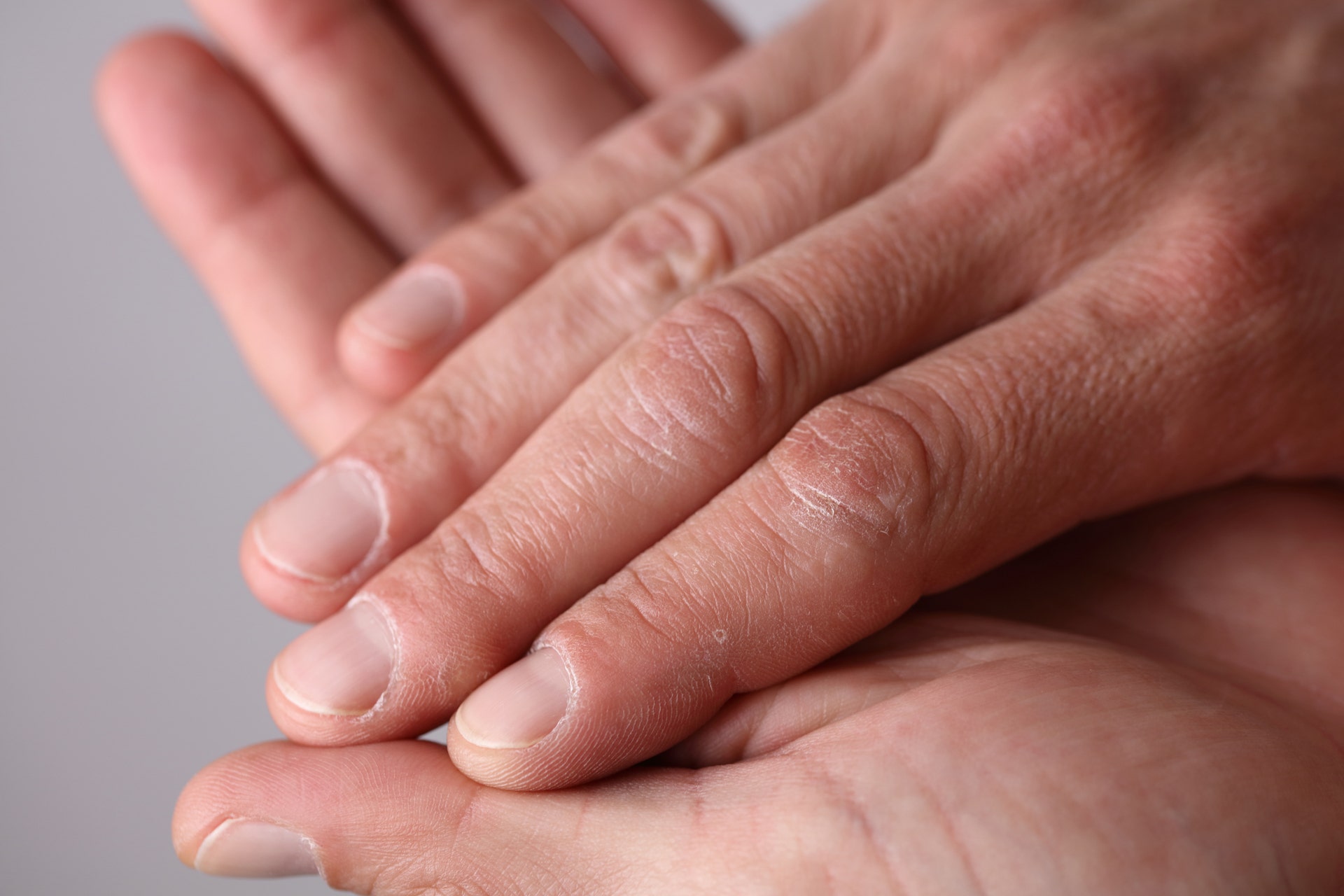
Science 13 hours ago You might have cocaine in your fingerprints Even if you don't do drugs, there's a surprisingly decent chance your fingerprints have traces of cocaine and even heroin.
Travel 13 hours ago Winged wonders: the exotic birds of Africa Bird lovers from all corners of the globe flock to Africa for the vast numbers of unique and remarkable species found throughout the continent.
Science 13 hours ago 9 accidental inventions Thankfully, not all science experiments go according to plan. Some of the world's best inventions were created by accident.
Food & Drink 13 hours ago 9 crazy ways to get your caffeine fix While a double-shot of espresso might be just the thing to snap us out of our midday lulls (and post-lunch food comas), the world seems to have other plans. Since before the new millenium, caffeine-laced food and drink products have been on the rise, most notably with energy drinks targeted toward hyperactive teenagers everywhere. Now, the energy drink industry is expected to be worth $21.5 billion by 2017, jumping from $12.5 billion in 2012. The caffeine influx doesn't stop there; the stimulant has infiltrated all sorts of products, from candy to gum to alcohol. But let's not get too crazy, guys; the Mayo Clinic says that 200 to 300 milligrams of caffeine a day isn't harmful for most adults, but more than 500 milligrams can cause some complications. So to help you figure out just how to replace a daily cup of coffee, we've rounded up nine crazy ways to get your caffeine fix, comparing them to a standard cup of coffee (85 milligrams) so you can get your fill of candy or hot sauce with a little jolt to power through.
Food & Drink 13 hours ago 7 facts you didn't know about coffee production If you haven't been keeping up with NPR's Coffee Week lineup of stories, you're missing out on a whole bunch of new insight into the cup of coffee you drink every day. NPR's Coffee Week coverage is dripping with news and facts about the culture of coffee, from the journey of coffee production from fruit to cup to the threats facing coffee plant genes, and more. It's not often that we think exactly about how our coffee ends up in our cup, and it's a long, lengthy journey. As writer Dan Charles explains, the coffee exports from the "coffee belt" of the world help prop up many of the tropical countries, where exports of green coffee beans add up to $15 billion per year. And considering that one Arabica coffee tree produces only 1 to 1.5 pounds per year, it takes a lot of care to keep up with the demands of coffee drinkers (in Nordic countries, it can reach up to eight cups of coffee per day). And the complexities of the coffee bean — and the leaf rust that's threatening to wipe out coffee farms worldwide — make coffee as interesting of a crop as any other. And more importantly, as writer Allison Aubrey notes, is how third-wave coffee production is not just giving drinkers a better-tasting cup of coffee; it's allowing farmers to reinvest in their farms and provide better working conditions for those producing the coffee. From sorting and drying the beans to just getting the beans to a port to be shipped to the U.S. and other countries, the process of coffee is labor-intensive. Aubrey puts it best: "So, next time you sip on a latte, remember: It's not just the face of the barista behind those coffee beans." We asked Charles and Aubrey to share with The Daily Meal the most surprising facts they discovered about coffee production; you can click ahead to find out more eye-opening tidbits about your coffee. Let's just say, you'll appreciate your morning caffeine jolt that much more.
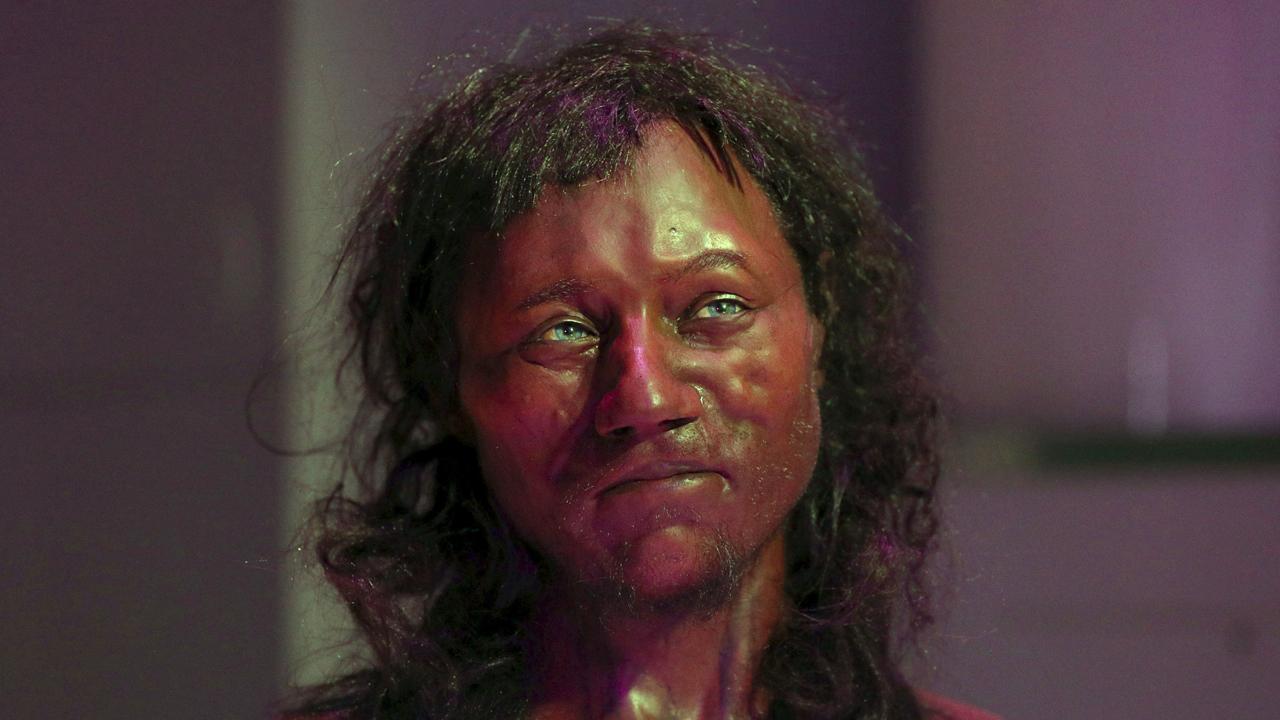
Science 13 hours ago DNA From 'Cheddar Man' reveals surprise about early Brits Think of a stereotypical Brit and you may imagine a pale cast member from Downton Abbey.
Science 13 hours ago Ancient virus could be responsible for human ability to think An ancient virus could be responsible for human consciousness, giving you the ability to think for yourself.
Science 13 hours ago Biologists believe finding viruses is first step to finding aliens The viruses are probably out there.
Science 13 hours ago New DNA vaccine could lead to a one-dose universal vaccine for the flu Researchers at the University of Washington School of Medicine have developed a DNA vaccine, which could have the makings of a one-dose universal flu protection. Here's how it works.
Science 13 hours ago Scientists find possible clue to ancient 'ghost species' of humans By studying saliva, researchers at the University of Buffalo have found clues to a possible ancient 'ghost species' of humans.
Food & Drink 13 hours ago New taste simulator allows you to digitally sample food Sample your favorite foods without the calories.
Science 13 hours ago The next Einstein? America's best and brightest minds From curing blindness to building safer bridges to specialized 3-D that can save lives, American innovators are taking on science’s biggest challenges.
Tech 13 hours ago Live forever? Scientists say human bodies have no detectable maximum lifespan Last year, an academic research paper was published, arguing that maximum life expectancy is up to 125 years, but no longer. A newly-published piece of research disagrees in a big way.
U.S. 13 hours ago EPA-funded lab faked research results on respiratory illnesses, whistleblower lawsuit claims Duke University has admitted that a research lab technician falsified or fabricated research data, some of which went into successful applications for major grants from the Environmental Protection Agency, as well as other government agencies.
Science 13 hours ago Someone paid $15G for some decades-old mold How much would you pay for a piece of mold?
Science 13 hours ago Why some people look like their names If you've ever caught yourself thinking, "She looks like a Sue," or "He doesn't look like a Bob," a new study may back up your instincts about whether people's names suit them.
Science 13 hours ago Want to know the future? Most people don't, study suggests Despite the popularity of horoscopes, most people don't really want to know their futures, a new study from Europe suggests.
Science 13 hours ago What makes women good dancers? Study finds it is all in the hips Researchers may have discovered the secret to turning heads as a woman on the dance floor - and it turns out it is all in the hips.
Science 13 hours ago 2 days after death, some life continues in body Death is more like the slow shutdown of a computer than the flipping off of a light switch, says a scientist, explaining a new study that shows genes in the body remain alive for about two days after the heart stops.
Tech 13 hours ago Body armor made from human hair? Here’s something to think about next time you’re in the shower reaching for the shampoo.
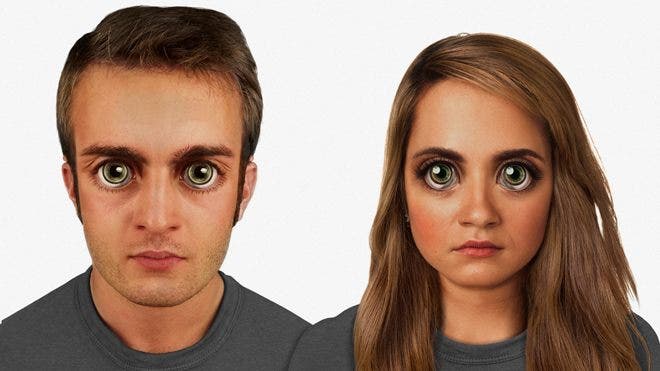
Science 13 hours ago Humans in 100,000 years: What will we look like? Homo sapiens have slowly evolved over thousands of millennia, but what happens when modern technology comes into play?
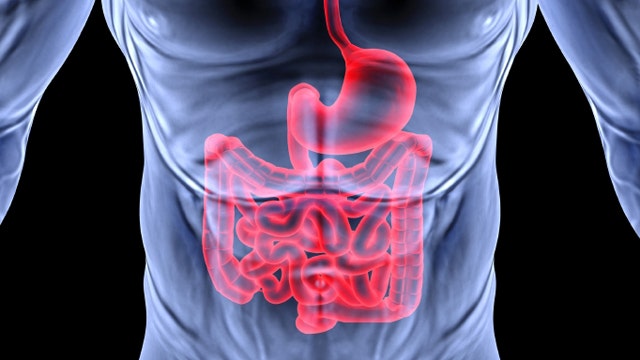
Health 13 hours ago Scientists identify new organ in humans A mighty membrane that twists and turns through the gut is starting the new year with a new classification: the structure, called the mesentery, has been upgraded to an organ.
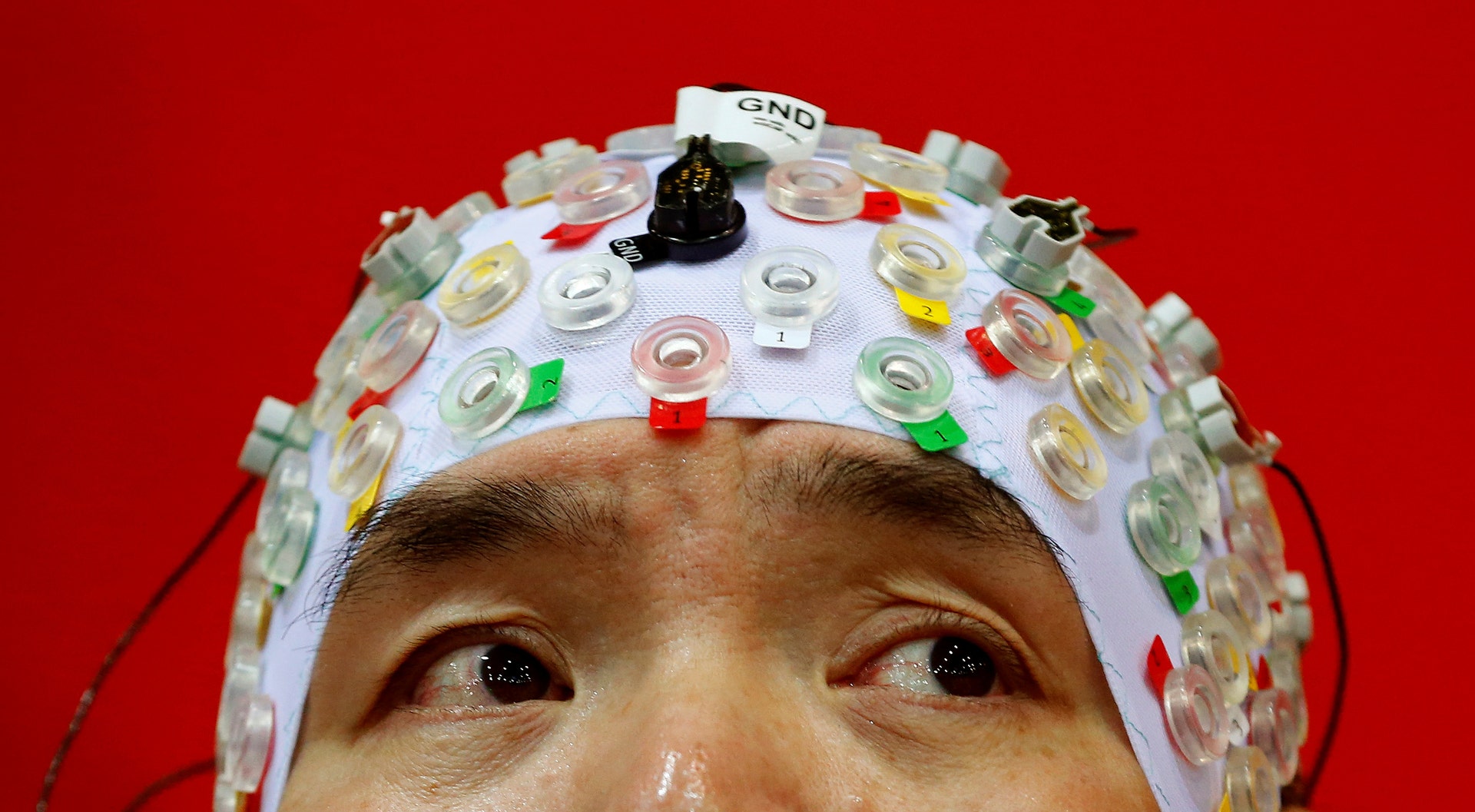
Science 13 hours ago Scientists have a theory on why you break eye contact Researchers in Japan suggest there's a surprising neurological reason why people avert their gaze occasionally during conversation.