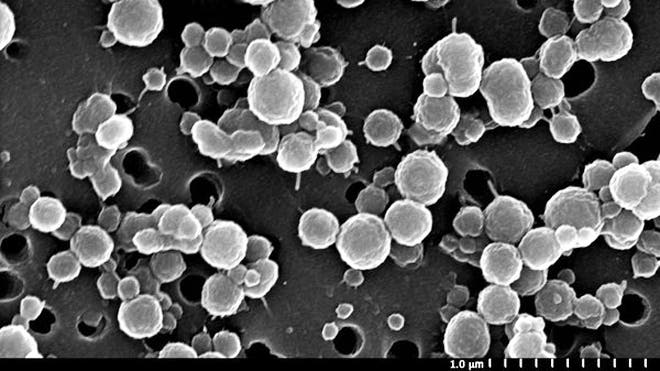
Science 13 hours ago Black Death's hideout: Scientists reconstruct centuries-old plague pathogen genomes Scientists from the Max Planck Institute for the study of Human History in Germany have taken an important step forward in our understanding of the plague that ravaged Europe hundreds of years ago.
Science 13 hours ago Men have a better sense of direction than women, study says In classic men vs. women moment, it looks like there might be a partial answer to the age-old road trip question, “honey, are we lost?�
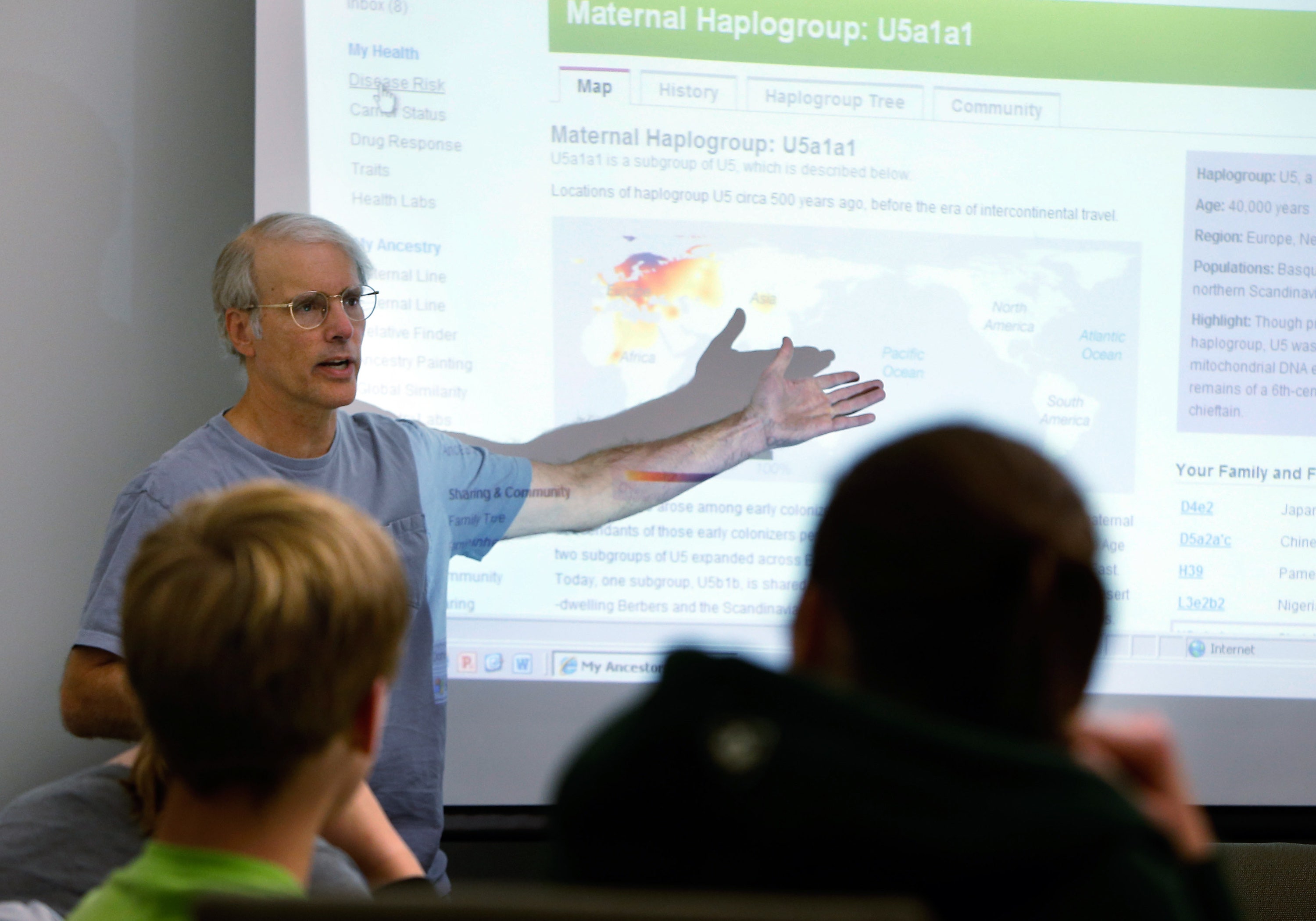
U.S. 13 hours ago ÐÓ°ÉÊÓƵ colleges offer classes for students to have their genes tested -- if they want to know A University of Iowa class is tackling the rapidly advancing field of personal genetics, which is revolutionizing medicine and raising difficult ethical and privacy questions.
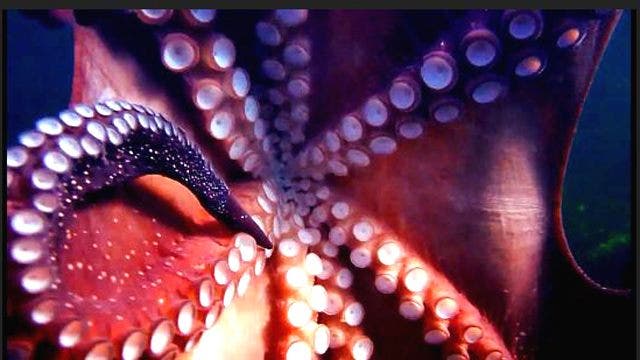
U.S. 13 hours ago Washington diver's giant octopus hunt ignites wrath of Puget Sound advocates A teen diver has incurred the wrath of a Washington state community by breaking an unwritten code when he dragged a live giant Pacific octopus from the water.
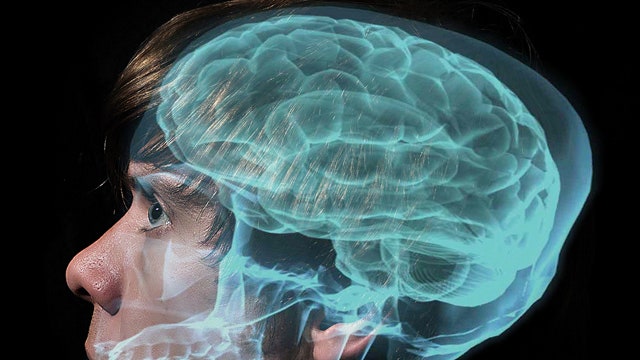
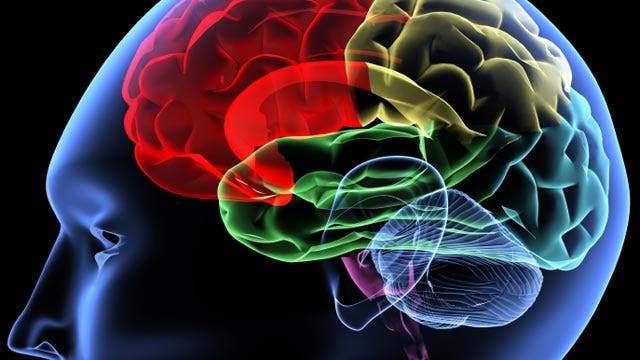
Science 13 hours ago Obama unveils details on brain-mapping initiative President Obama is announcing a new investment into research to map the human brain in hopes of unlocking some of its mysteries.
Tech 13 hours ago Google announces Calico, a new company targeting healthcare and illness Google on Wednesday announced Calico, an ambitious new company that aims to solve some of the biggest problems facing humanity today: illness, aging, diseases, and ultimately, maybe even death itself.
Tech 13 hours ago Scientists implant tiny robots inside live mice Can robots travel inside living animals? It sounds like science fiction, but scientists have just made it a reality by implanting tiny nano-robots inside living mice. Researchers from the Department of Nanoengineering at the University of California, San Diego, published their report on the first successful tests of implanting micro robots designed to disperse drugs within a body, reports SmithsonianMag.com.
World 13 hours ago Israeli company aims to eradicate brain disease An Israeli nonprofit group announced on Wednesday a $1 million prize program to encourage innovation in brain-research technology.
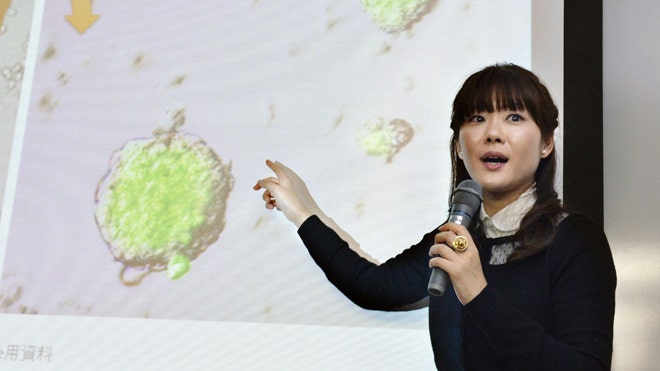
Health 13 hours ago Scientists withdraw claim about making stem cells Scientists who reported that they'd found a startlingly simple way to make stem cells withdrew that claim Wednesday, admitting to "extensive" errors in the research.
Health 13 hours ago Human cadaver brains may provide new stem cells After our lungs stop breathing, our hearts stop beating, our minds stop racing, our bodies cool, and long after our vital signs cease, little pockets of cells can live for days, even weeks.Scientists have harvested such cells from the scalps and brain linings of human corpses and reprogrammed them into stem cells
Health 13 hours ago Unwanted memories erased in electroconvulsive therapy experiment Scientists have zapped an electrical current to people's brains to erase distressing memories, part of an ambitious quest to better treat ailments such as mental trauma, psychiatric disorders and drug addiction.
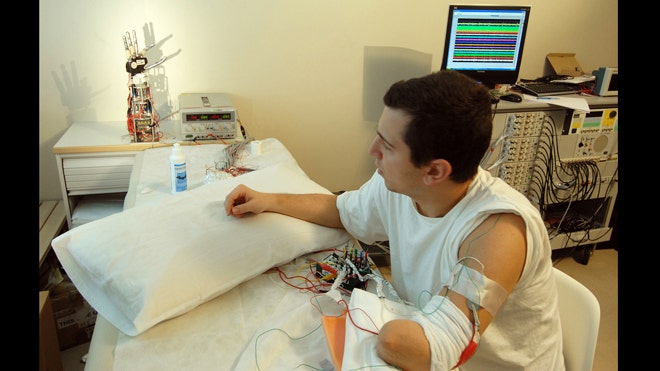
Tech 13 hours ago New bionic hand may let amputees feel again Thanks to wiring that connects it directly into the nervous system, a new bionic hand may one day return dexterity and the sensation of touch to an amputee.
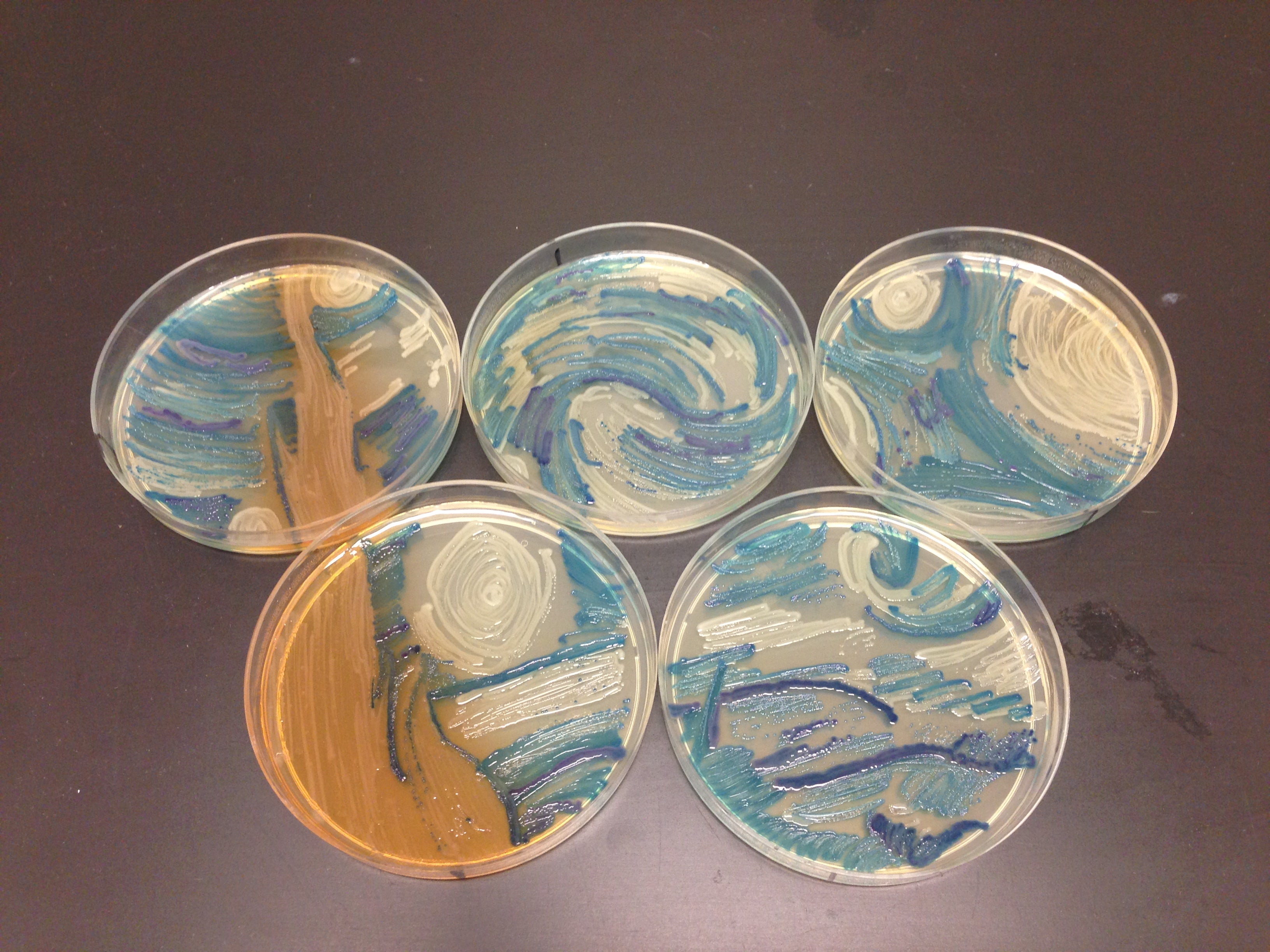
Science 13 hours ago Microbes take center stage in this art contest Using their petri dishes as canvas, scientists from around the world have produced tiny masterpieces for the American Society for Microbiology’s annual agar art contest.
Science 13 hours ago DNA tool helping biologists find elusive or invasive species When salmon, salamanders or other aquatic animals poop or shed skin cells, they leave behind traces of their DNA in the water, like clues left behind at a crime scene.
Science 13 hours ago This extreme Antarctic insect has the tiniest genome The Antarctic midge is a simple insect: no wings, a slender black body and an adult life span of not much more than a week
Science 13 hours ago Harvard researchers develop bioplastic made from shrimp shells In their search for sustainable materials that can be mass produced, researchers at Harvard's Wyss Institute for Biologically Inspired Engineering turned to an unexpected source: shrimp.Â
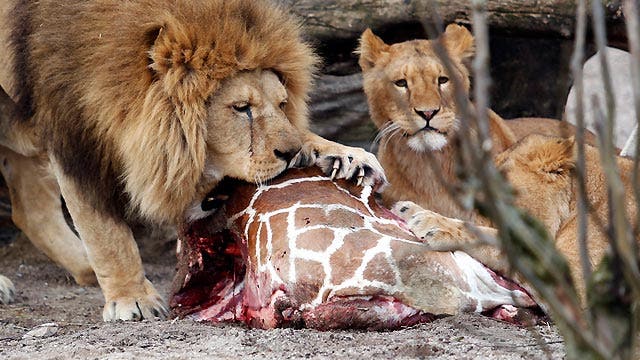
Science 13 hours ago Second Danish zoo plans to kill young giraffe to stop inbreeding Despite the death threats and worldwide disgust when the Copenhagen Zoo in Denmark killed 2-year-old giraffe Marius to prevent inbreeding a few days ago, a second zoo in the country said it plans to kill a giraffe -- and it’s in the animal’s best interests.
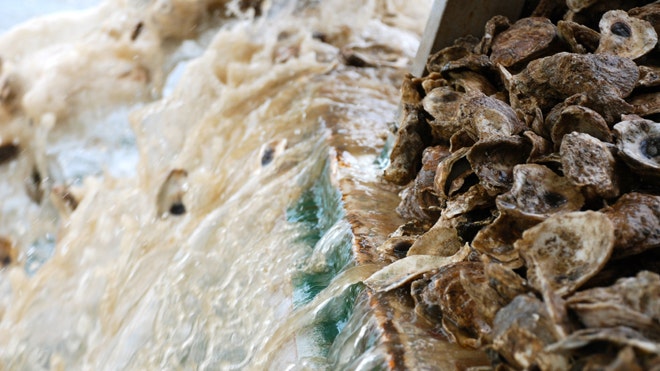
Science 13 hours ago Acidic Chesapeake Bay Water could threaten oysters As the world’s oceans get more acidic, Chesapeake Bay oysters could be at risk.
Science 13 hours ago Scientists discover ancient plague DNA in teeth, warn of future outbreaks Scientists say two of the deadliest pandemics in history were caused by strains of the same plague and warn that new versions of the bacteria could spark future outbreaks.
Science 13 hours ago How the scorpion got its venom A single mutation may account for the scorpion's lethal toxin.
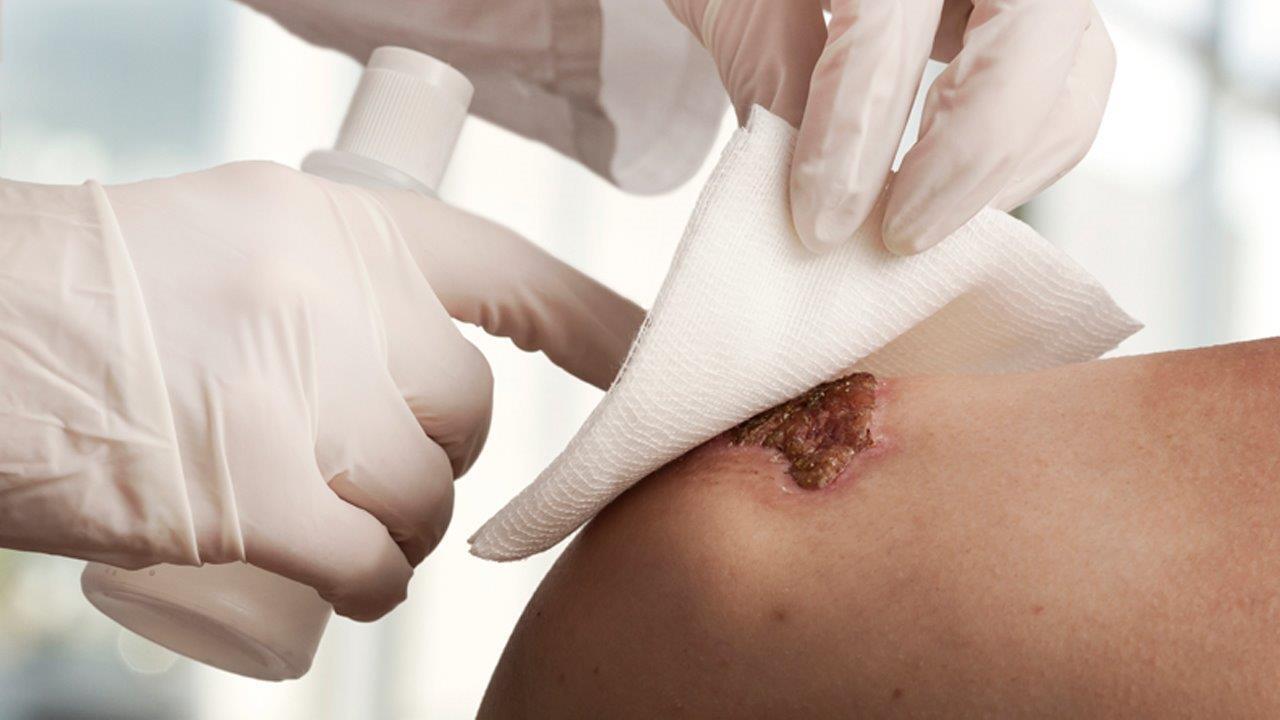
Science 13 hours ago New cell therapy leading way to faster tissue repair Researchers may be closer to developing a means of accelerating the healing of wounds on a battlefield, something the Pentagon has a keen interest in.
Science 13 hours ago Research on dung beetles, people who think they're drunk among the 2013 Ig Nobel award winners People who think they are drunk also think they are attractive? Lost dung beetles can use the Milky Way to find their way home? Yep, it's the Ig Nobel awards again.
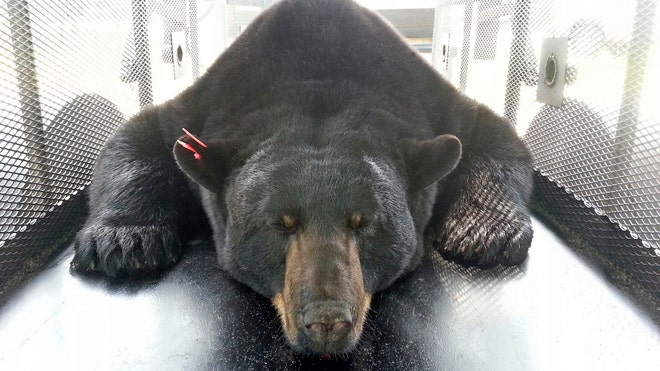
Science 13 hours ago Wildlife officials capture largest black bear in Florida history The largest black bear ever captured in Florida has reportedly been relocated after being trapped near the Ocala National Forest.
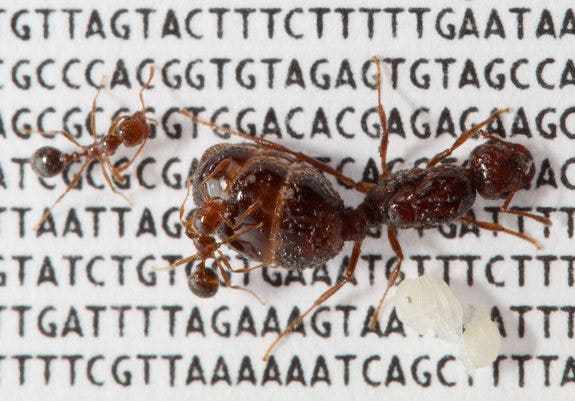
Science 13 hours ago Scientists discover 'the Facebook chromosome' Whether fire ants bow to one queen or accept many rulers depends on one long strand of genes, a new study finds -- labeling the gene sequence the first "social chromosome."
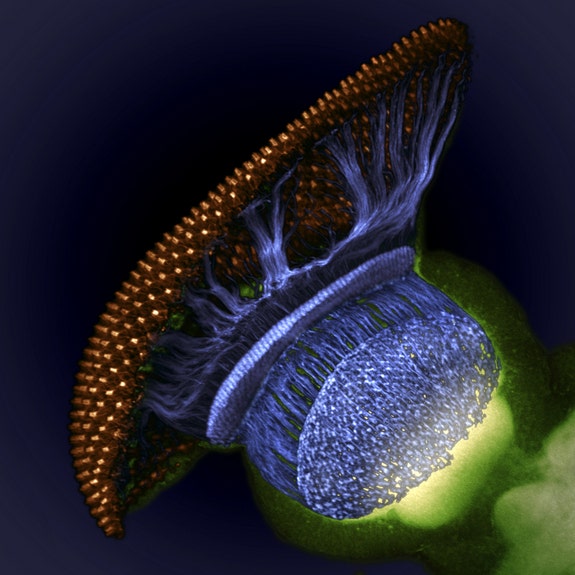
Science 13 hours ago Stunning images of larva brains, butterfly scales nab prizes Incredibly detailed scenes of larva brains, butterfly scales and mini-crustacean claws — all captured through light microscopes — took some of the top prizes in the 2012 Olympus BioScapes competition, officials announced this week.
Science 13 hours ago Ancient microbes found in buried Antarctic lake Beneath the icy surface of a buried Antarctic lake, in super-salty water devoid of light and oxygen that is also cold enough to freeze seawater, researchers have now discovered that a diverse community of bacteria has survived for millennia.
Science 13 hours ago Early human 'Lucy' swung from the trees Despite the ability to walk upright, early relatives of humanity represented by the famed "Lucy" fossil likely spent much of their time in trees, remaining very active climbers, researchers say.
Science 13 hours ago Winning photos bring the itsy-bitsy to life A teensy bat embryo covering its eyes with wings, an ant carrying her larva and wobbly-looking newborn spiderlings are just a few of the winners of a photography contest honoring the little things in life — including babies, it seems.
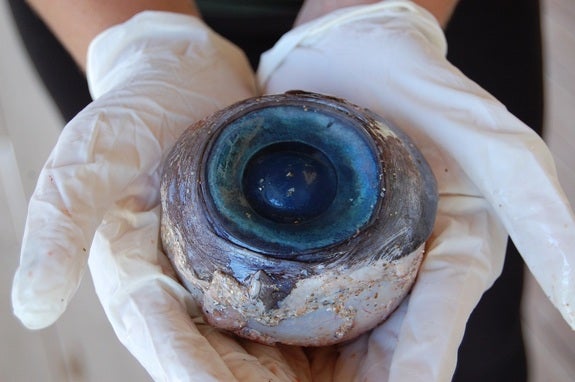
Science 13 hours ago Mystery of giant eyeball on beach solved Fish and wildlife officials have pinpointed the likely source of a giant blue eyeball that washed ashore on a Florida beach last week.Â
Science 13 hours ago In the future, could brain imaging be used as legal evidence? Brain imaging can already pull bits of information from the minds of willing volunteers in laboratories. What happens when police or lawyers want to use it to pry a key fact from the mind of an unwilling person?