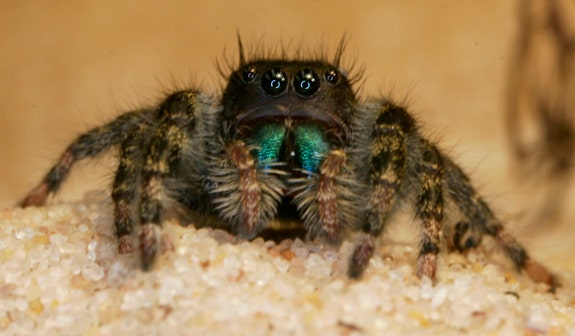
Science 13 hours ago Creepy: Peering into spiders' brains without exploding them The jumping spider, famed for its excellent vision and pouncing skills, has long been an enigma to neurobiologists.
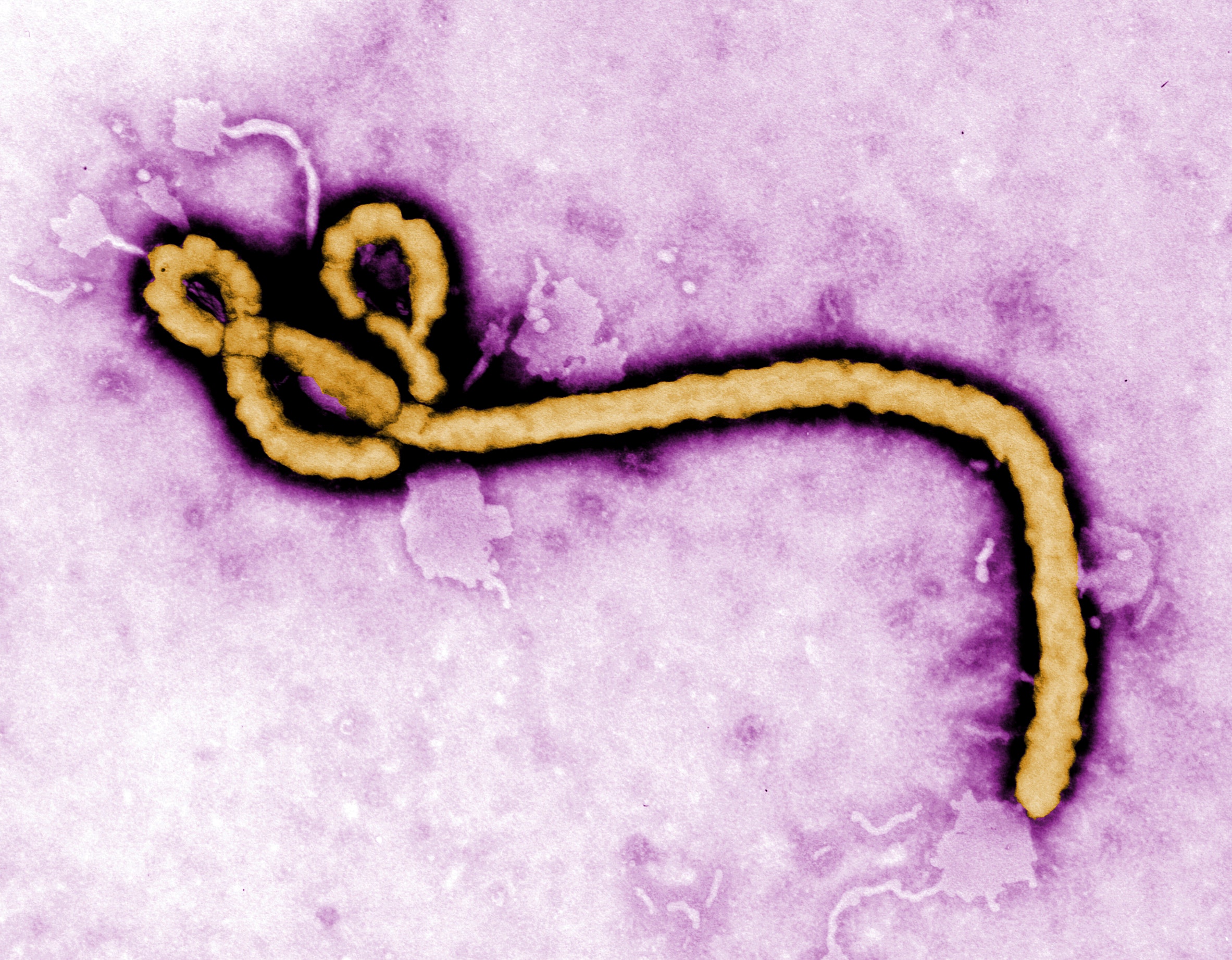
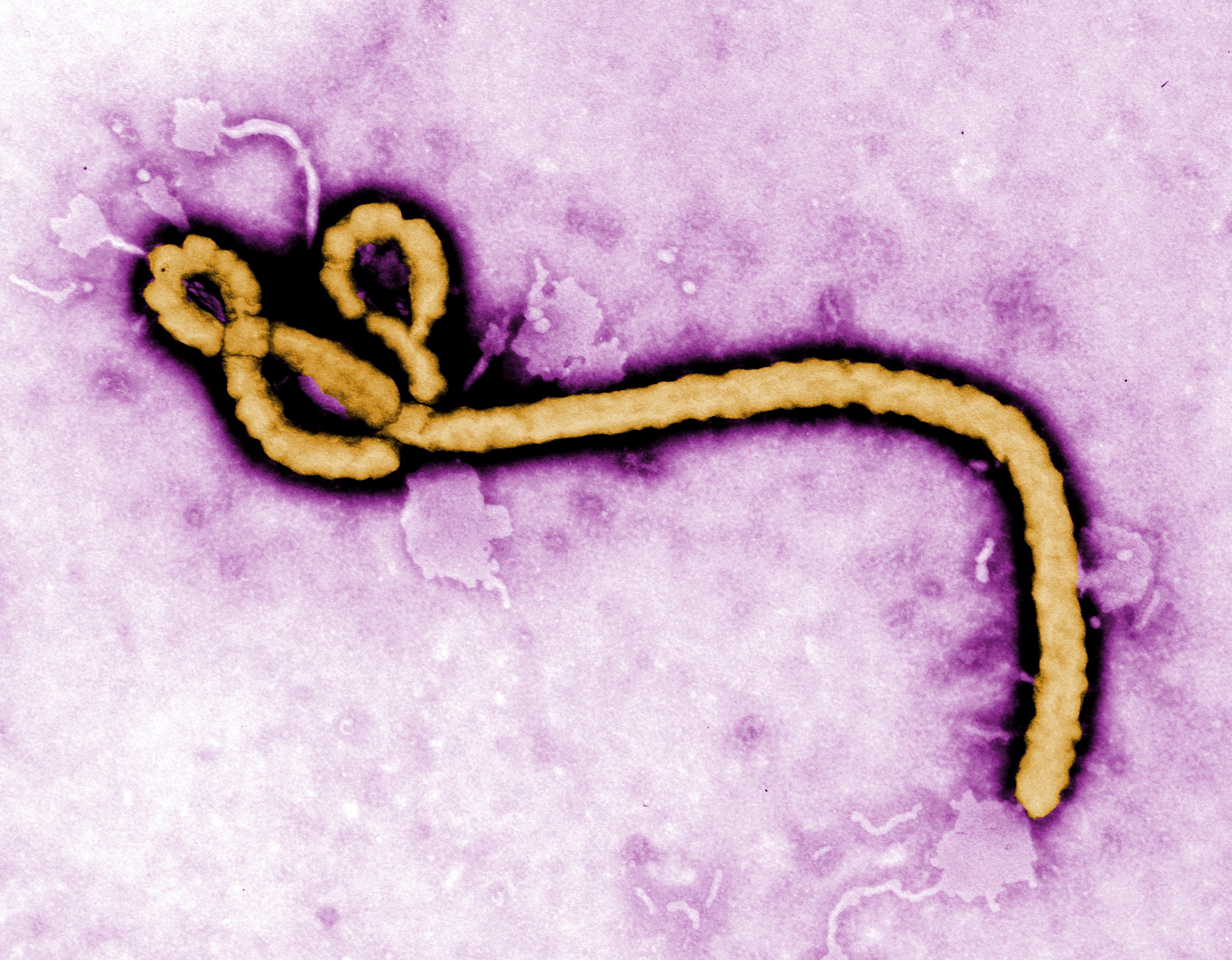
Science 13 hours ago How a Virginia suburb became an Ebola epicenter It’s a little known fact, or perhaps a dark matter best forgotten, but the child care facility on Isaac Newton Square in Reston, Va., was once the epicenter of a new strain of Ebola.
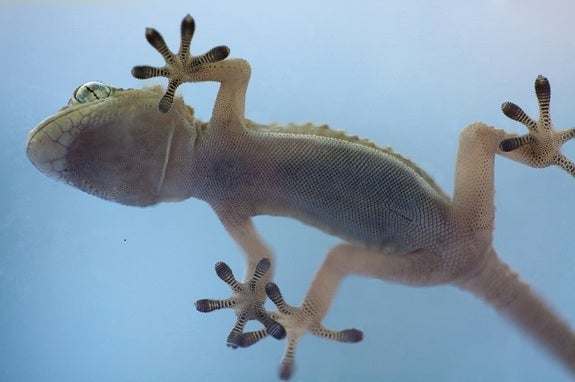
Science 13 hours ago Geckos' sticky secret? They hang by toe hairs Geckos are famous for their ability to scale vertical walls and even hang upside down, and now scientists understand more about how the expert climbers can pull off these gravity-defying feats: Geckos can quickly turn the stickiness of their feet on and off, a new study finds
Science 13 hours ago Ebola bomb: Possible, but not so easy to make If some worst-case scenarios are to be believed, then terrorist groups could use the recent outbreak of Ebola in Africa to their advantage.
Science 13 hours ago Mantis shrimp see colors like no other creatue New research finds that the aggressive mantis shrimp is weird in a strange way: They see color like no other animal on the planet.
Science 13 hours ago Genetics breakthrough enables scientists to edit any part of human genome, report claims A new technique has enabled scientists to engineer parts of the human genome with extreme precision, a breakthrough which could mean new treatment possibilities for maladies such as cancer, HIV, and inherited genetic disorders.Â
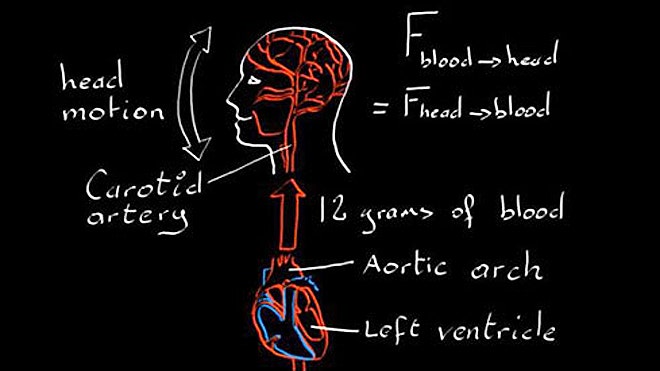
Science 13 hours ago The telltale heartbeat? Head wobble indicates pulse A new computer program can take someone's pulse without laying a finger on them. It analyzes videos of people trying to hold still and spots a tiny tic that betrays every heartbeat.Â
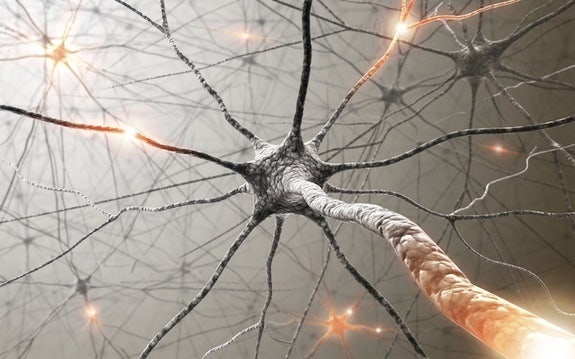
Science 13 hours ago Brain cells can outlive the body Brain cells can live at least twice as long as the organisms in which they reside, according to new research
Science 13 hours ago The real story of North Korea's unicorn lair North Korean state media has reported the discovery of the lair of a unicorn ridden by an ancient Korean king.
Science 13 hours ago Artificial muscles built from 'carbon yarn' Muscles made from twisted strands of carbon yarn were able to pull more than 100,000 times their own weight in recent tests.
Science 13 hours ago British, Japanese scientists win Nobel medicine prize British researcher John Gurdon and Shinya Yamanaka of Japan have won this year's Nobel Prize in medicine for discovering that cells of the body can be reprogrammed into stem cells
Science 13 hours ago M&M-loving bees make blue and green honey Hives of candy-crazy bees in France are reportedly producing honey colored blue and green.
Science 13 hours ago When humans broke off sex with neanderthals Neanderthals apparently last interbred with the ancestors of today's Europeans after modern humans with advanced stone tools expanded out of Africa, researchers say.
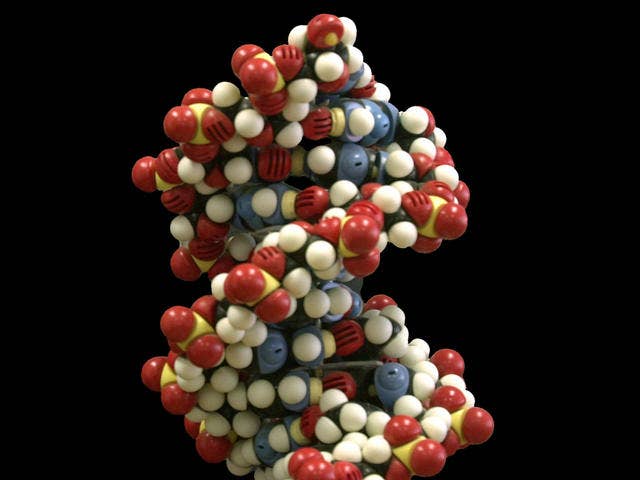
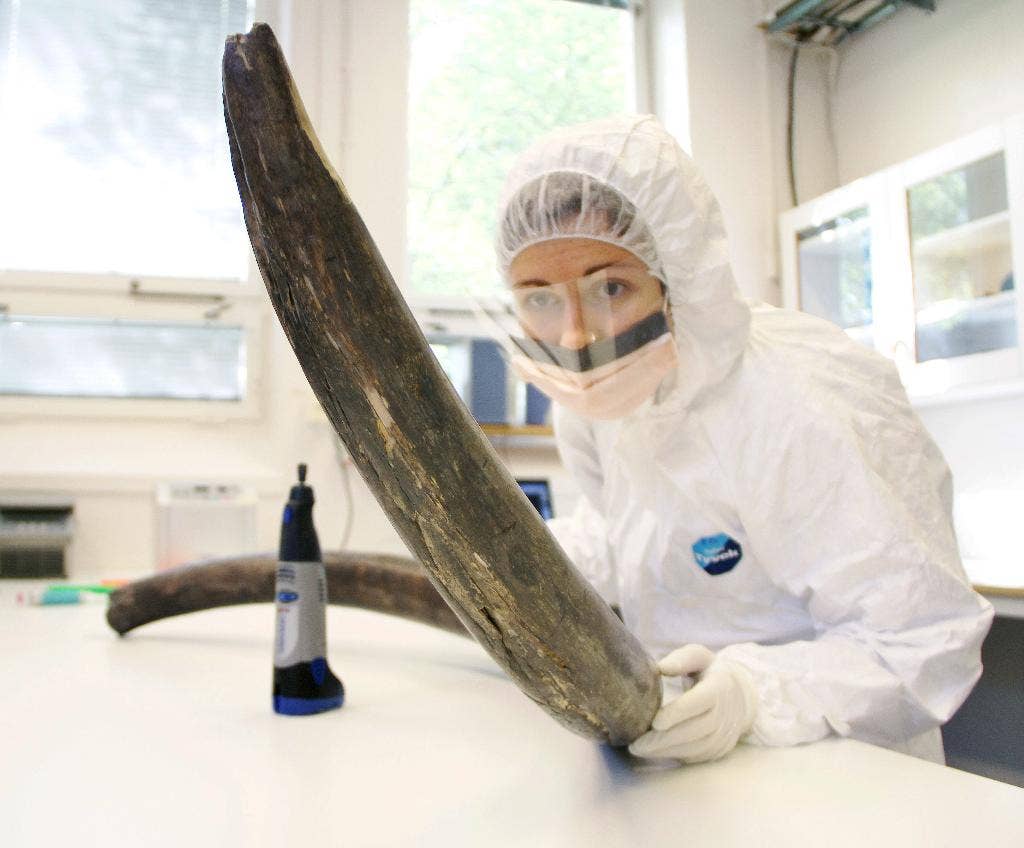
Science 13 hours ago New DNA codes for mammoths: Step toward bringing them back? Scientists are getting their best look yet at the DNA code for the woolly mammoth, thanks to work that could be a step toward bringing back the extinct beast.
Science 13 hours ago Researchers convert sewer sludge to diesel alternative Researchers at Mississippi State University have created a patented process which turns our by-products into an alternative diesel energy source.Â
Science 13 hours ago Trail of accent clues could lead to Foley’s ISIS killer With investigators on both sides of the Atlantic attempting to unearth information about the Islamic State killer of U.S. journalist James Foley, the militant’s accent could provide major clues about his identity.
Science 13 hours ago DARPAÂ developing brain-zapping implants for injured soldiers The Defense Advanced Research Projects Agency (DARPA) is launching a program to develop technologies to treat psychiatric disorders by electrically stimulating the brain.
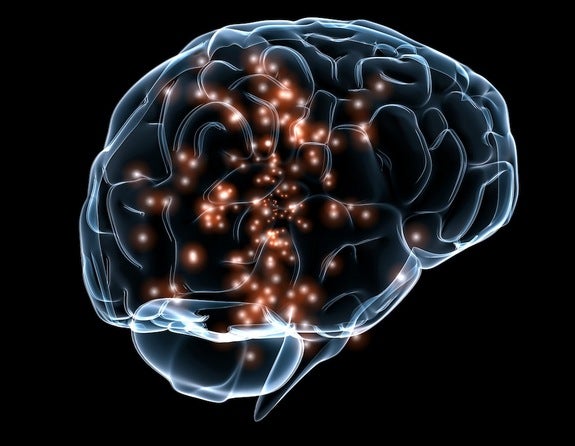
Science 13 hours ago VR system lets you explore your brain in real-time What if it were possible to explore your brain in virtual reality, watching your thoughts flashing before your eyes? A neuroscientist and a videogame developer have created a way to do precisely that.
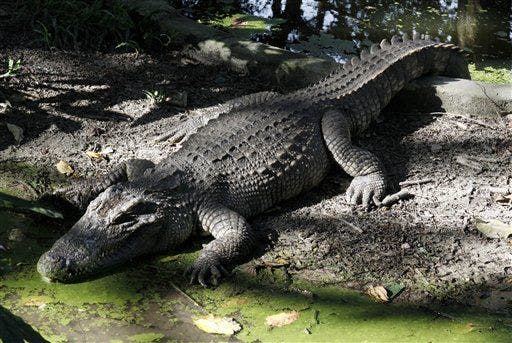
Science 13 hours ago Crocodiles are able to climb trees, study reveals As far as discoveries go, this is a somewhat terrifying one, assuming one has a healthy respect for crocodiles on the ground: They can climb and perch in trees.
Science 13 hours ago King Richard III's genome to be sequenced The genetic code of King Richard III, the medieval monarch whose body was found buried under a parking lot in Leicester, England, is set to be sequenced.
Science 13 hours ago Deadliest known substance kept secret: a botox super-toxin Scientists have discovered a new type of botox they believe is the "deadliest substance known to man" and have withheld the DNA sequence because an antidote is not known.
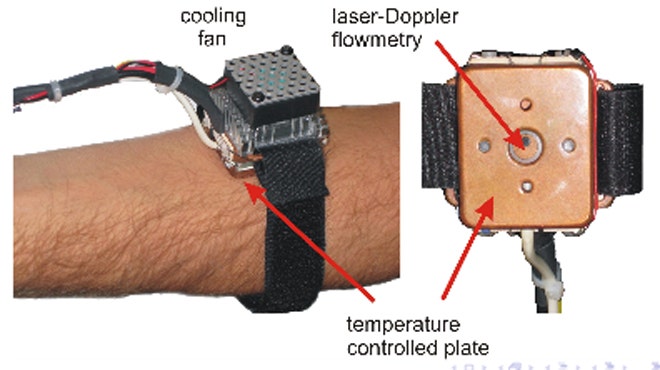
Science 13 hours ago Scientists invent skin-prodding laser device to tell you when you’ll die Two professors have invented a device that could administer some so-called "death tests" to determine how long a person has left to live. Totally creepy, or a convenient justification for all your #yolo antics?
Science 13 hours ago How to make a digital human brain Futurists warn of a technological singularity on the not-too-distant horizon when artificial intelligence will equal and eventually surpass human intelligence.
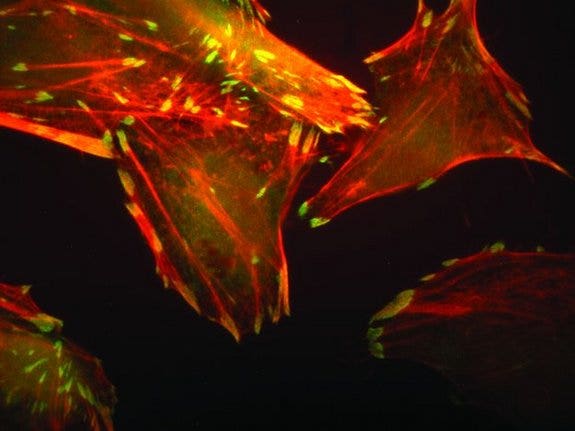
Science 13 hours ago This is what human cells look like in space Astronaut photos of Earth from space are undeniably amazing, but snapshots of inner space — particularly human cells — can be spectacular, too.
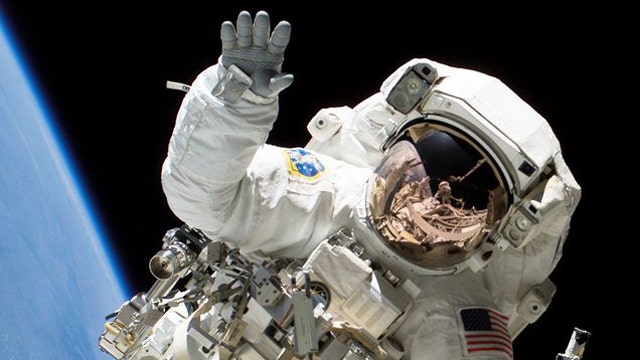
Science 13 hours ago Space radiation may harm astronaut brains Radiation in space might harm the brains of astronauts in deep space by accelerating the development of Alzheimer's disease, a new study on mice suggests.
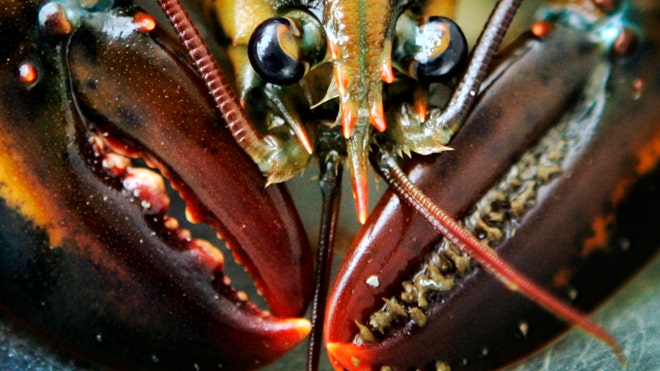
Science 13 hours ago Like rings on a tree, growth rings in lobsters indicate age, scientists find For the first time, scientists have figured out how to determine the age of a lobster — by counting its rings, like a tree.
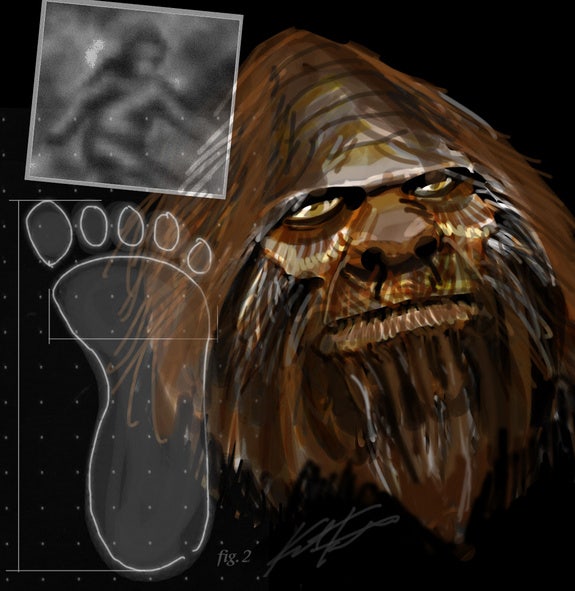
Science 13 hours ago 'Bigfoot' is part human, DNA study claims Genetic testing confirms the legendary Bigfoot is a human relative that arose some 15,000 years ago — at least according to a press release issued by a company called DNA Diagnostics detailing supposed work by a Texas veterinarian.Â
Science 13 hours ago Idaho scientist hopes to spot Bigfoot from the sky The search for Bigfoot is taking to the sky -- if an Idaho scientist’s plan to float a blimp in search of Sasquatch gets the $300,000 he needs.
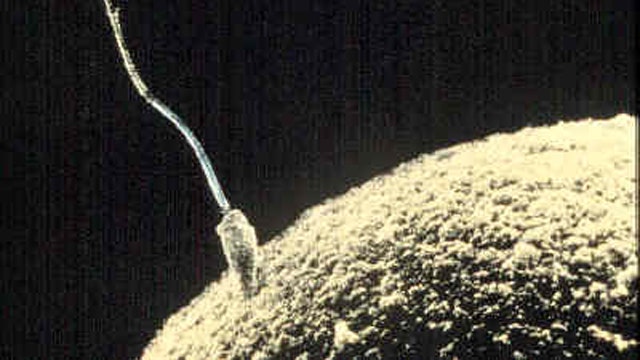
Science 13 hours ago Sperm's quirky swimming techniques revealed A new technique allows scientists to track every move of more than 1,500 human sperm cells swimming simultaneously in a drop of water.
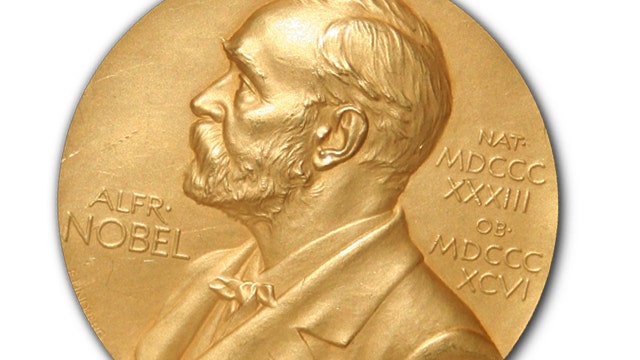
Science 13 hours ago James Watson's Nobel prize for DNA discovery up for auction You may never actually win a Nobel Prize, but that doesn't mean you can't take one these prestigious awards home with you.
Science 13 hours ago Atlanta eyes startups for starring role in neuroscience NeuroLaunch, the first and only accelerator program in the world specifically for neuroscience technology startups, is helping drive Atlanta's emergence as a neuro-technology hub.Â